10 Places That Tell the Story of Abitibi-Témiscamingue
May 14, 2026

Want to discover what makes Abitibi-Témiscamingue so special?
The best way to do this is to immerse yourself in its history. Throughout the region, museums, heritage homes, and interpretive centers tell the story of the region’s early days: the First Nations, colonization, logging villages, and the mining boom.
In short, if you want to discover Abitibi-Témiscamingue in a different way, these places will help you understand how the region was built and why we’re so attached to it.
Here are 10 places that tell the story of Abitibi-Témiscamingue and are definitely worth a stop during your stay.
1. Obadjiwan-Fort-Témiscamingue National Historic Site
Duhamel West


Located on the shores of Lake Témiscamingue, the Obadjiwan-Fort-Témiscamingue National Historic Site takes you on a journey through more than 6,000 years of history. Long before the arrival of settlers, the area was inhabited by the Anicinabek, who used this strategic location for travel and trade.
Later, the site became an important fur trading post, frequented by French and British merchants. Today, the ruins, exhibits, and interpretive trails offer insight into the encounters, exchanges, and sometimes tensions that shaped the region’s history.
Add to that the enchanted forest and the view of the lake: it’s hard to find a more symbolic place to begin a journey into the region’s past.
A must-see stop to understand the Indigenous roots and the fur trade in Abitibi-Témiscamingue.
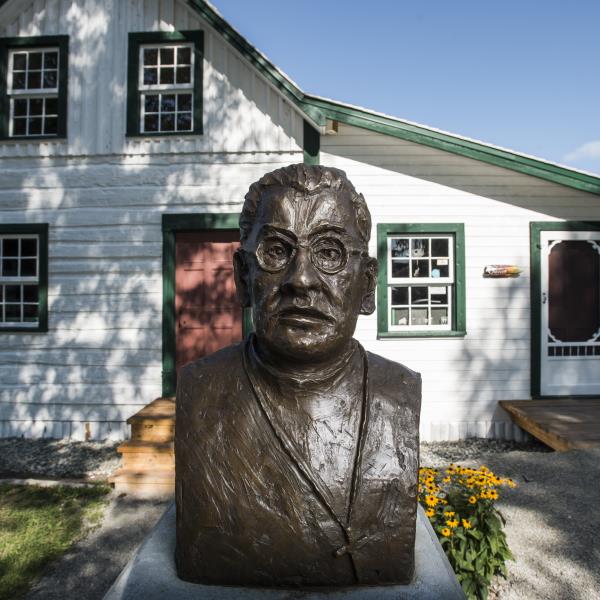
2. Brother Moffet House
Ville-Marie

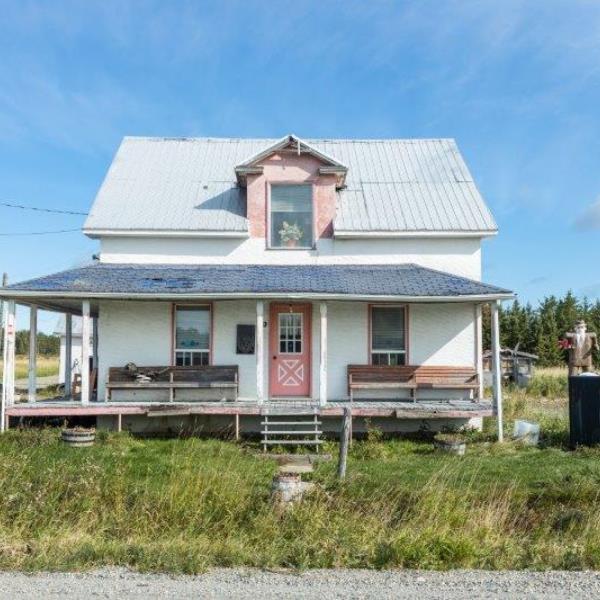
Built in 1881, the Maison du Frère Moffet is the oldest surviving house in Témiscamingue.
It tells the story of Joseph-Onésime Moffet, a key figure in agricultural settlement. The exhibition immerses you in daily life at the time: education, religious life, and the early days of farming communities in the region.
In short, a small building, but a significant chapter in history.
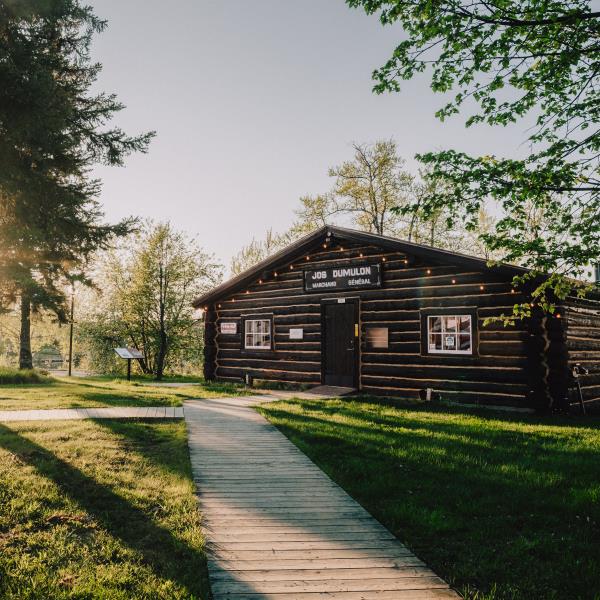
3. Dumulon General Store
Rouyn-Noranda


When you walk into the Dumulon General Store, you’re instantly transported back to 1920s Rouyn-Noranda.
As the town’s first store, this place was the true heart of the community: people came here to buy groceries, pick up their mail, and, above all, catch up on local news.
Agnès Dumulon, who also served as postmistress, was the driving force behind the whole operation. If you want to understand the early days of the mining era in Abitibi-Témiscamingue, this is a must-see.
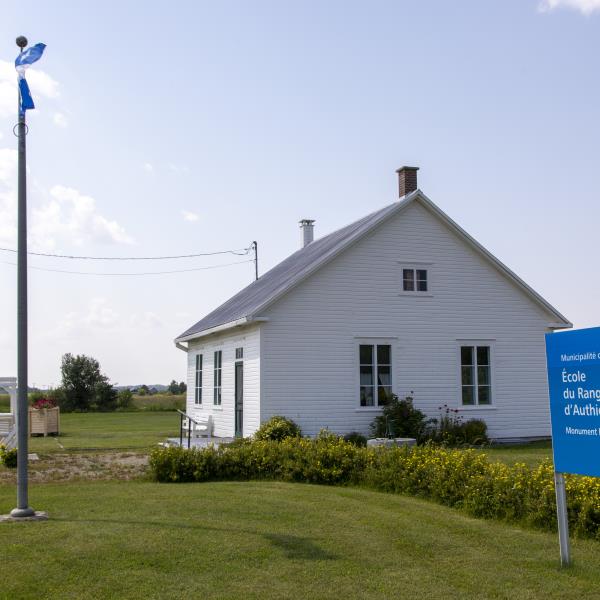
4. École du Rang II Museum
Authier

Want to know what school was like in the 1940s?
At the Musée École du Rang II in Authier, you step into a real-life classroom from that era, complete with wooden desks, a blackboard, and strict rules.
And yes… there’s a good chance you’ll be called to the blackboard.
This immersive experience lets you discover the daily lives of children who lived in rural areas. Suffice it to say, school wasn’t exactly the same as it is today.
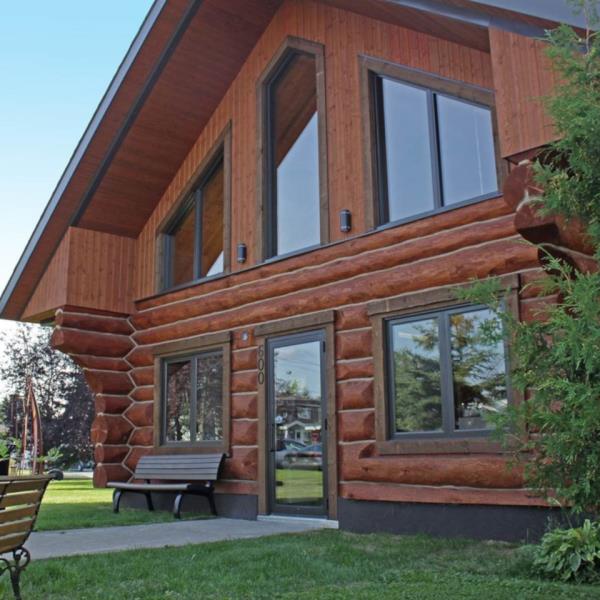
5. Forestry Interpretation Center
La Sarre

It’s impossible to tell the story of Abitibi-Témiscamingue without mentioning the forest.
At the Forestry Interpretation Centre, you’ll discover how the forestry industry has shaped the region: from manual logging to modern techniques.
It also explores the relationship between the Anicinabek communities and the forest, as well as an impressive collection of vintage forestry tools.
A visit that helps you understand why the forest is such an integral part of the region’s identity.
6. Joseph Bérubé Archaeological Collection
Gallichan

This small, unassuming site hides a veritable archaeological treasure.
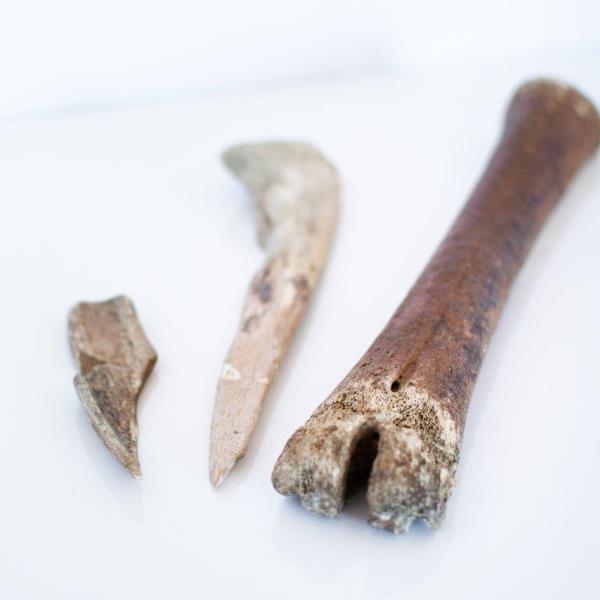
The Joseph Bérubé Collection in Gallichan brings together hundreds of artifacts found around Lake Abitibi: arrowheads, pipes, tools, and jewelry.
These objects tell the story of the First Peoples who have inhabited the region for millennia.
A fascinating place for those who love archaeology and stories that go back a long, long way.
7. Turgeon House
Chazel


The Turgeon House offers a glimpse into the daily lives of the first settlers who arrived in Chazel in 1916.
On the site, you can visit several farm buildings:
-
barn
-
barn
-
dairy
-
garage
-
chicken coop
Inside, an impressive collection of agricultural and forestry artifacts shows you how people lived and worked back then.
In short, a true immersion in rural life in the early days of Abitibi-Témiscamingue.
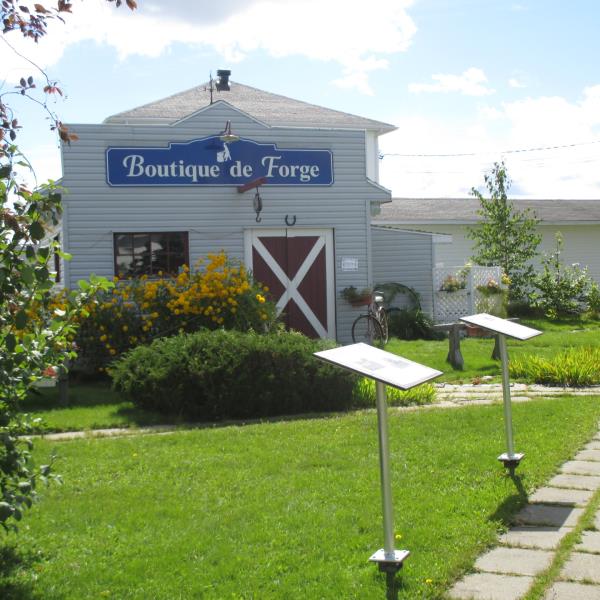
8. Postal Museum and Blacksmith Shop
Saint-Marc-de-Figuery

The Postal Museum and Blacksmith Shop in Saint-Marc-de-Figuery introduces you to two trades that were essential to villages of yesteryear.
On one side, the 1920s post office, with its authentic furnishings and period atmosphere. On the other, the blacksmith’s shop, where you can watch blacksmiths at work using traditional techniques.
A fascinating stop that reminds us that before Amazon and modern hardware stores, everything was made locally.
9. Cité de l’Or and the Bourlamaque Mining Village
Val-d’Or


You’re immediately immersed in the gold rush.
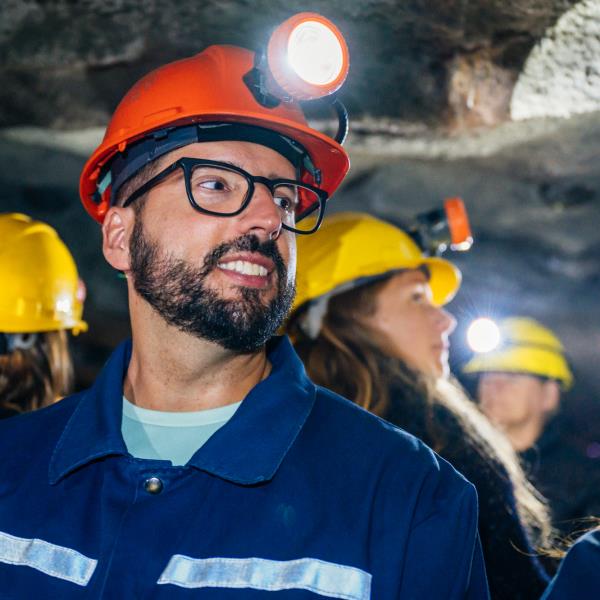
At the Cité de l’Or, you descend into a real mine tunnel to discover the miners’ work.
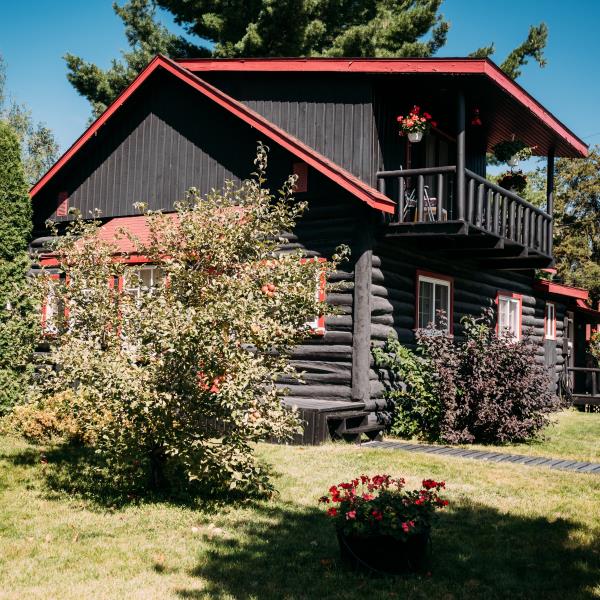
Right next door, the Bourlamaque Mining Village lets you visit the log cabins where miners’ families lived in the 1930s.
With its blend of history, immersive experiences, and lively guided tours, it’s one of the region’s most dynamic tourist attractions.
10. Abitibi-Témiscamingue Mineralogical Museum
Malartic

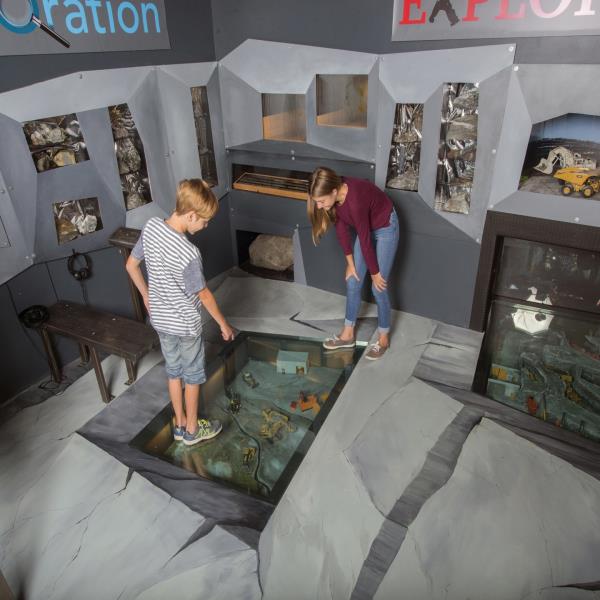
Located in the heart of one of Quebec’s largest mining regions, the Abitibi-Témiscamingue Mineralogical Museum immerses you in the fascinating world of minerals and rocks.
It features an impressive collection from around the world, including native gold and even moon rocks.
Interactive and fun, it’s the perfect activity if you’re traveling with your family in Abitibi-Témiscamingue.
Why visit these historic sites in Abitibi-Témiscamingue?
Exploring these sites is much more than just a visit to a museum.
This is an opportunity to:
-
discover the region’s Indigenous and colonial roots
-
understand the impact of forestry and mining
-
meet enthusiasts who keep the collective memory alive
-
enjoy cultural experiences accessible to the whole family
In short, a different way to travel by taking the time to understand the land.
Extend the experience during your stay
The beauty of these historic sites? They’re scattered all over Abitibi-Témiscamingue.
You can easily include them in a road trip by combining:
-
and a few impromptu stops along the way
Because here, history is never far away. It’s often hidden around the corner of a village, a country lane, or a lake.