Indigenous tourism:
the Anishinaabe
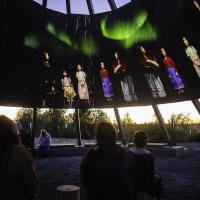
Here, you are walking on a territory inhabited by the Anishinaabe for over 8000 years
Their presence, their culture, and their relationship with the land are still very much alive.
in place names, in the water that flows through the region, in shared stories, in today’s gatherings, and even in the way our region breathes.
Discovering Indigenous tourism in Abitibi-Témiscamingue means choosing to travel differently: with curiosity, respect, and openness. It means understanding that our vast spaces hold a living memory and that this story continues to be written, now, with us.
Long before the gold prospectors and fur traders, the region was first the territory of the Anishinaabe. Their language shaped our maps and gave meaning to our landscapes.
Abitibi
means “where the waters divide”, referring to the watershed that crosses the region.
Témiscamingue
means “the deep lake”, referring to the lake of the same name.
These words are not just names. They’re a way of reading the territory, of moving forward, of keeping alive the link between people, the land and everything around us.
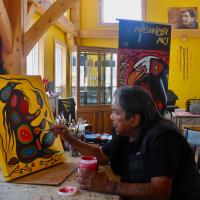
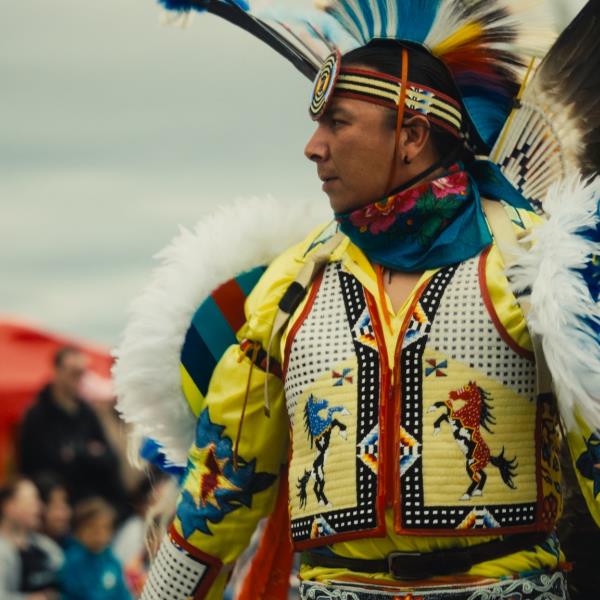
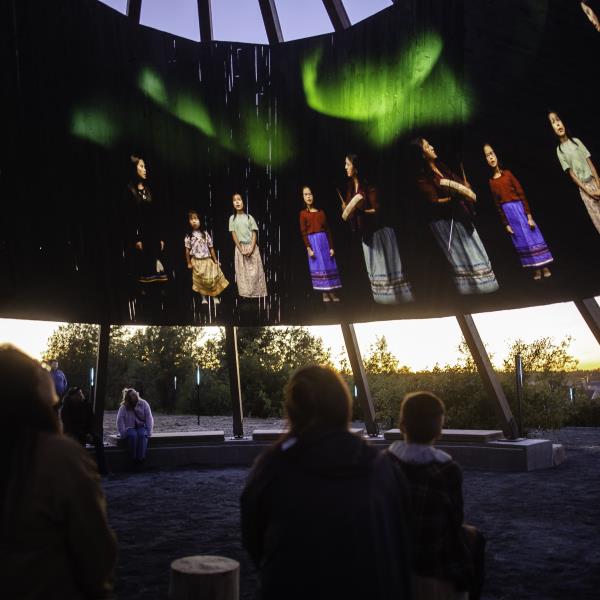
Anishinaabe culture is lived as much in traditions as it is in today’s creations: art, language, community projects, tourism initiatives, festivals, workshops and encounters that take shape all over the territory.
Prepare for your
next encounter



If you want to take your adventure a step further, Indigenous Tourism Quebec is a valuable resource for discovering authentic, respectful experiences rooted in the land.
It’s an invitation to slow down, listen, learn, and walk, with the awareness that this land holds a history greater than ourselves.
A history that continues to be passed on today, one encounter at a time. That’s what Indigenous tourism in Abitibi-Témiscamingue is all about.
Indigenous Tourism Quebec offers 5 tips to better understand the realities, traditions, and ways to interact respectfully within Indigenous communities. A short read that can transform a simple visit into a truly enriching experience!
Discover the 5 tips