If you’re looking for a place where nature truly comes into its own, Lake Kipawa is sure to leave a lasting impression.
With its steep cliffs, hundreds of islands, and peaceful bays, this vast body of water in Témiscamingue quickly makes you feel like you’re alone in the world.
Here, we paddle for a long time.
We drop anchor in a quiet cove.
And when evening falls, the sun slowly sinks behind the rocky headlands.
Welcome to the majestic Lake Kipawa.

Lake Kipawa: a landscape you’ll never forget
Sailing on Lake Kipawa is like entering a vast expanse.
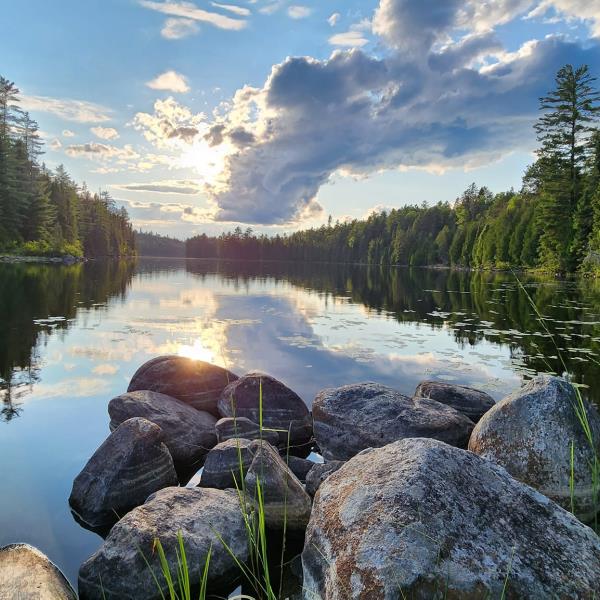
Its 300 km² of clear water stretch out in bays and inlets, dotted with hundreds of islands where it’s a pleasure to stop. Rocky cliffs plunge into the lake, stone headlands dominate the horizon, and in some places, the sand gently gives way to dark, crystal-clear water.
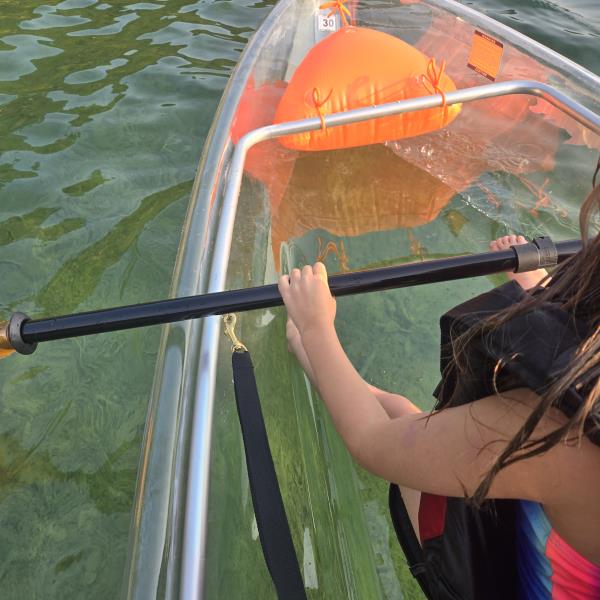
By canoe, kayak, or boat, every turn of the lake reveals a new landscape.
And often, silence.

A Fishing Paradise in Témiscamingue
Lake Kipawa attracts so many visitors partly because of its exceptional fishing.
Beneath the surface swim walleye, yellow perch, northern pike, smallmouth bass, lake trout, whitefish, and ling. Suffice it to say that fishing enthusiasts will quickly find what they’re looking for.
In the summer, the small village of Laniel, at the northern tip of the lake, takes on a completely different vibe. Its population jumps from about 80 residents in the winter to over 400 during the summer season.

Opémican National Park: Exploring the Cliffs of Lake Kipawa
On the shores of the lake lies a place that is definitely worth a visit: Opémican National Park.
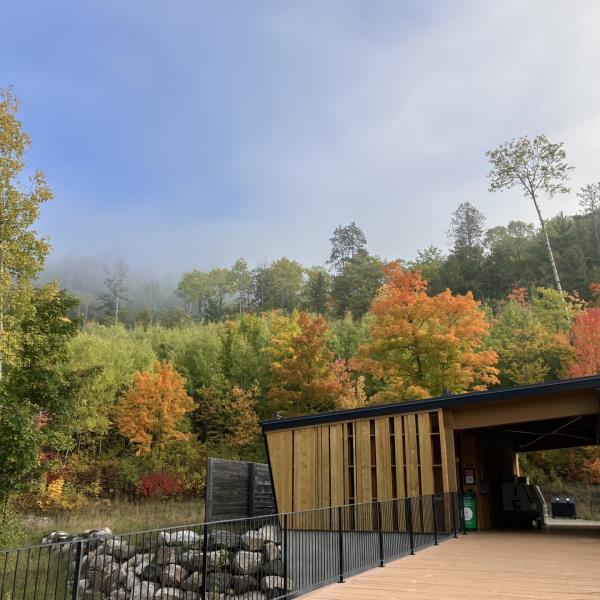
This protected area is known for its spectacular cliffs, pine forests, and breathtaking views of the lake.
You can easily spend a day—or several—here.
Things to do in the park
-
hiking
-
canoeing, kayaking, and stand-up paddleboarding
-
biking
-
swimming
-
nature observation
And when you reach a rocky promontory with a view of the lake, let’s just say it’s well worth the climb.

The Kipawa ZEC: a vast wilderness
Outside the national park, the territory becomes even more vast.
The Kipawa ZEC covers nearly 4,636 km² of wilderness. This is a true playground for outdoor enthusiasts.
Unlike a national park, a ZEC is an area dedicated to hunting, fishing, and outdoor activities, managed by a nonprofit organization that oversees the management and protection of wildlife.
What attracts visitors?
Secluded lakes, wild rivers, and uncrowded canoe-camping routes.
A perfect spot for those who love adventure and quiet corners.
A region steeped in history
Lake Kipawa isn’t just spectacular—it’s also steeped in history.
Long before the arrival of settlers, the area was frequented by Indigenous peoples and travelers who journeyed along the canoe routes.
In the 19th century, the arrival of the railroad transformed the region. Some twenty logging companies set up operations around the lake, and the timber industry became a central part of the local economy. On Opémican Point, in the heart of the park, traces of that era—when log driving brought the lake’s shores to life—can still be seen today.
The Kipawa Dam, built in the early 20th century, continues to supply electricity to the town of Témiscaming.
A territory deeply connected to the Anicinabek
Lake Kipawa is also an important ancestral territory for the Anicinabek.
The community of Kebaowek, located southwest of the lake, shares a deep connection to this territory with the community of Wolf Lake. The Hunter’s Point site remains an important spiritual and cultural place.
Even today, this connection to the land continues through various initiatives.
For example, the Algonquin Canoe Company, a business connected to the Wolf Lake community, offers various activities to explore the area in a different way.
On the water, you can join a canoe excursion exploring Algonquin history: a guided tour where, between paddle strokes, you’ll hear stories about the region and the peoples who have inhabited it for millennia.
A wonderful way to explore Lake Kipawa while immersing yourself in the culture and history of the region.
Discover Lake Kipawa in this video
To capture the lake’s full beauty, the Abitibi&co. team took to the water to film several iconic spots.
Among the places visited:

Spectacular landscapes, impressive rocky headlands, and water that seems to stretch on forever.
In short, a perfect glimpse of what awaits you on Lake Kipawa.